Dubai didn’t become Dubai by accident. It rose from desert sand and oil dreams, but behind the glass towers and luxury malls, there’s a quieter, older story-one built on movement, money, and the invisible labor of people who kept the city running when no one was watching. Long before the Burj Khalifa scraped the sky, there were men and women offering companionship, intimacy, and services that kept travelers, traders, and expats grounded in a foreign land. Today, you’ll hear whispers about call girls in dubai, but those terms only scratch the surface of what really happened here.
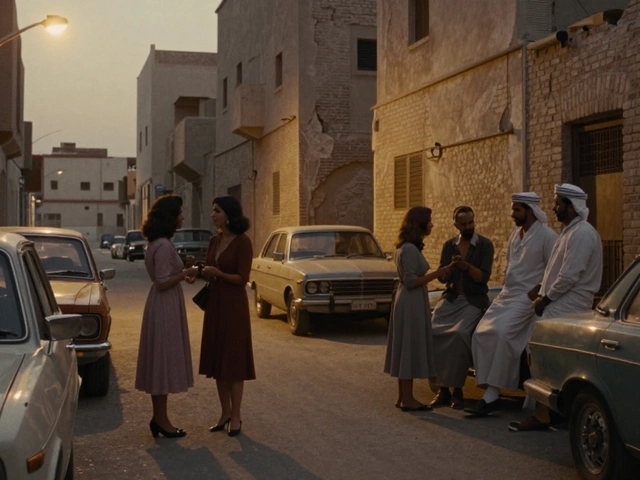
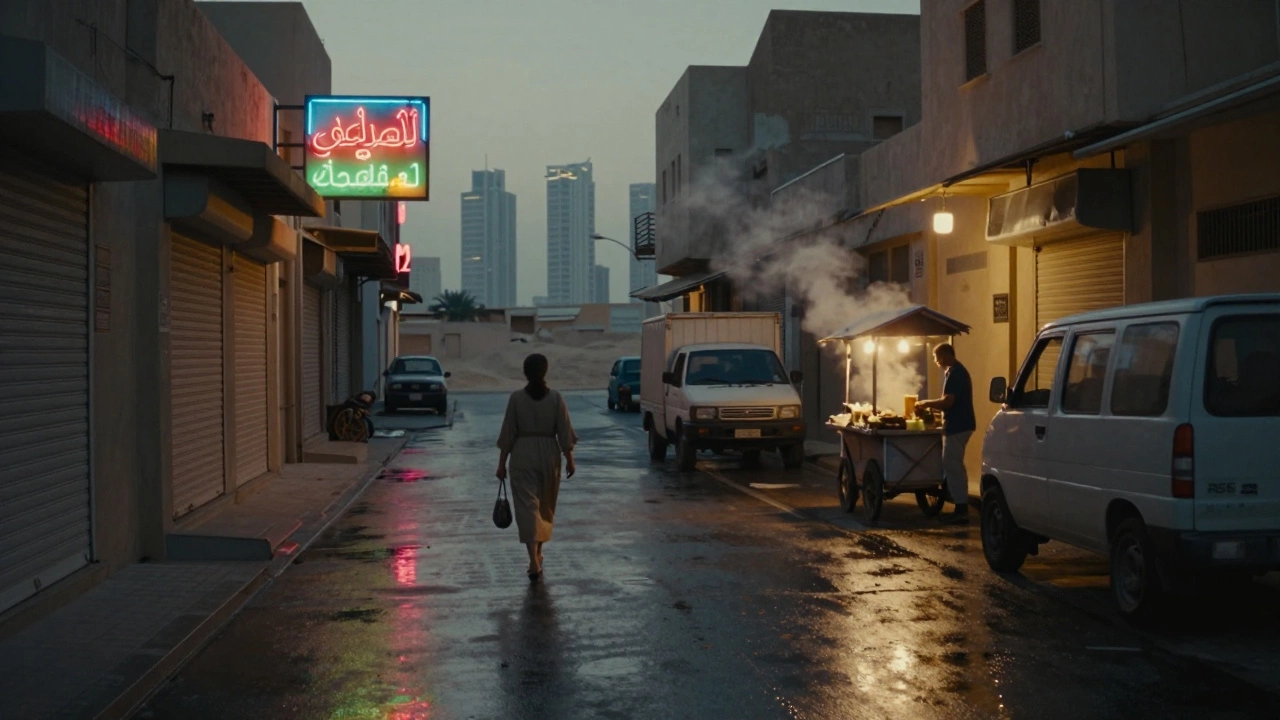
The Dubai of the 1970s and 80s wasn’t the sanitized, family-friendly destination it is today. It was a port city with a booming trade economy, drawing workers from South Asia, East Africa, and the Arab world. Hotels filled with businessmen. Ships docked with crews needing rest. And in the shadows, a network of informal services emerged-not always legal, but always necessary. Women, often migrants with few options, offered companionship, sexual services, and emotional support to lonely men far from home. These weren’t glamorous call centers or Instagram-ready escorts in dubai. They were women navigating survival in a place that refused to see them.
How Dubai Changed the Rules
In 2004, the UAE tightened its laws on prostitution. What was once tolerated in practice became a criminal offense on paper. Hotels were forced to monitor guest behavior. Police raids increased. The city’s image shifted from a wild Gulf hub to a polished global brand. But the demand didn’t disappear. It just went underground. The women who once worked in quiet apartments moved to private residences, rented rooms, and encrypted apps. The men who sought them out switched from hotel lobbies to WhatsApp groups. What was once an open secret became a hidden economy.
Today, if you search for a call girl dubai, you’ll find dozens of websites promising discretion, luxury, and immediate availability. Some look like high-end concierge services. Others feel like sketchy classifieds. The truth? Most of these aren’t what they claim. Many are scams. Others are fronts for trafficking rings. A few are real-but the women behind them are rarely free agents. They’re often trapped by debt, visa restrictions, or threats. The system doesn’t protect them. It punishes them.
The Illusion of Choice
Dubai markets itself as a city of opportunity. But for migrant women, opportunity rarely means freedom. Most who enter this space do so because they have no other way to send money home. A nurse from the Philippines might earn $300 a month legally. But if she takes on one client a week on the side, she could make $1,000. That’s not luxury. That’s survival. And when she gets caught? She’s deported. Her employer loses nothing. The agency that recruited her? They’ve already taken their cut.
The city’s laws don’t target the men who pay. They don’t go after the landlords who rent apartments to these services. They don’t touch the tech companies that host the apps. They only go after the women. It’s not about morality. It’s about control. And it’s been this way for decades.
What’s Different Now?
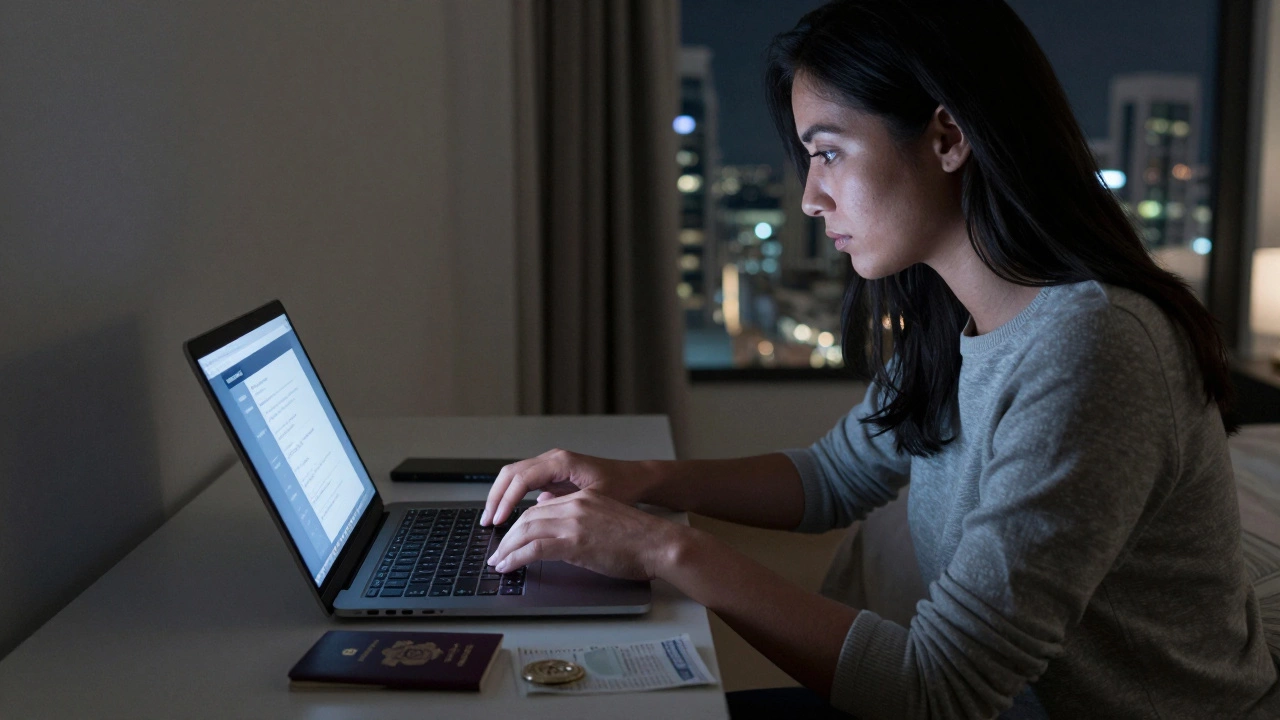
Technology changed everything. In the past, a woman had to know someone to get a client. Now, she can post a profile on a private Telegram channel and get matched in minutes. Payment is done through cryptocurrency. Communication is encrypted. The old networks-madams, fixers, hotel staff-are fading. But so are the protections. No one checks IDs. No one verifies consent. No one tracks safety.
There are no official numbers, but human rights groups estimate that thousands of women in Dubai are involved in sex work in some form. Most are from countries with weak labor protections: Nepal, Bangladesh, Ukraine, Kenya. They’re told they’ll be nannies, waitresses, or beauticians. When they arrive, their passports are taken. They’re told they owe $10,000 for flights and housing. They’re trapped.
The Hidden Economy
Dubai’s economy runs on invisible labor. The cleaners in the hotels. The drivers for Uber. The cooks in the restaurants. And yes-the women who offer intimacy to strangers. They’re all part of the same system. The city doesn’t pay them minimum wage. It doesn’t give them health insurance. It doesn’t even acknowledge their existence. But without them, the city wouldn’t function the way it does.
Think about it: How many business deals were made over a drink and a conversation with a woman who wasn’t on the official guest list? How many lonely expats found comfort in a room that wasn’t listed on Airbnb? How many men who couldn’t connect with their own culture found a temporary sense of belonging with someone who spoke their language, cooked their food, and listened without judgment?
These aren’t just transactions. They’re human connections. And they’re being erased.
What Does the Future Hold?
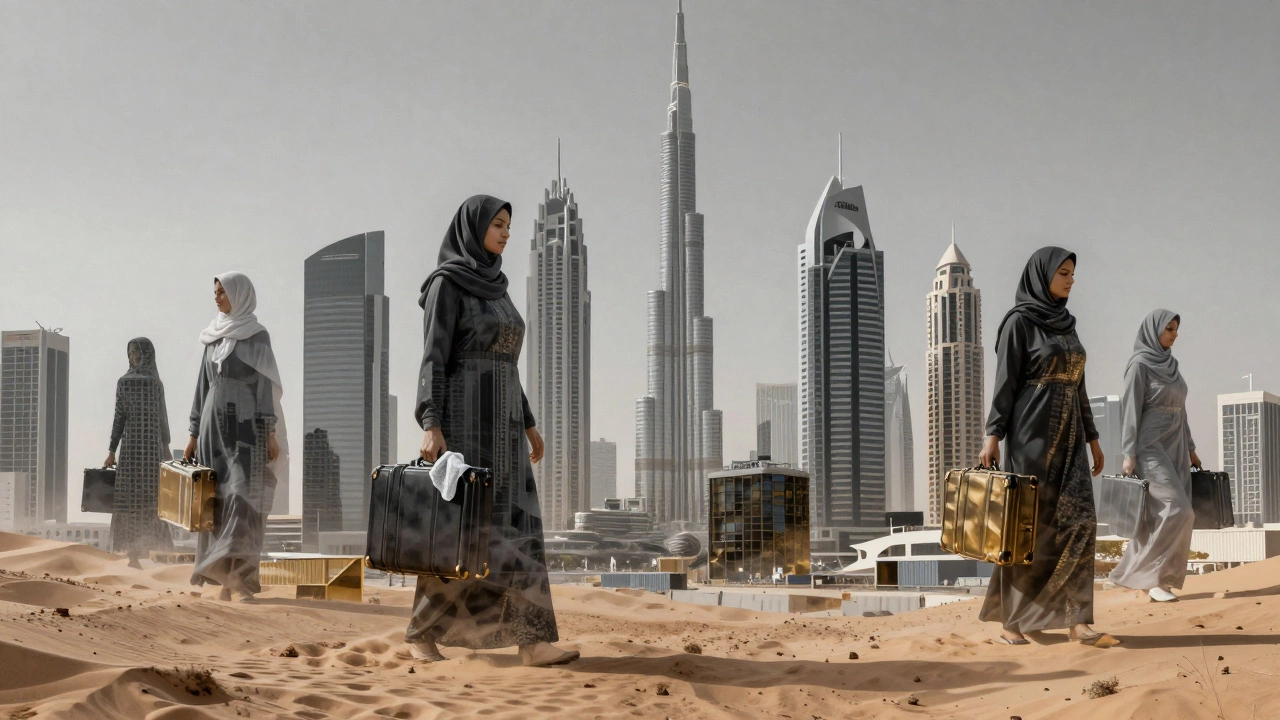
Dubai is building the future. Hyperloop stations. AI-powered malls. Robot waiters. But it’s also erasing its past. The stories of the women who kept the city alive during its rough years are being rewritten. Tourist brochures don’t mention them. History books skip over them. Even the people who live here now don’t know their names.
Some activists are pushing for decriminalization. They argue that if sex work were legal and regulated, women could report abuse, access healthcare, and work without fear. Others say legalization would just make the industry bigger-and more exploitative. The truth? Neither side has listened to the women themselves.
There are no public protests in Dubai. No marches. No hashtags. The fear is too real. But if you talk to women in the right circles, you’ll hear one phrase over and over: ‘We just wanted to survive.’
Why This Matters
Dubai’s story isn’t just about sex work. It’s about who gets to be seen in a city that loves to be seen. It’s about the people who build the infrastructure but are never invited to the ribbon-cutting. It’s about the cost of perfection.
The city’s skyline gleams because someone cleaned the windows. The hotels are full because someone cooked the meals. The parties go on because someone made the guests feel less alone. And yes-because someone offered what the system wouldn’t provide.
If you want to understand Dubai, don’t just look at the towers. Look at the cracks. Look at the people who slip through them. Their lives aren’t part of the marketing campaign. But they’re the reason the campaign works at all.