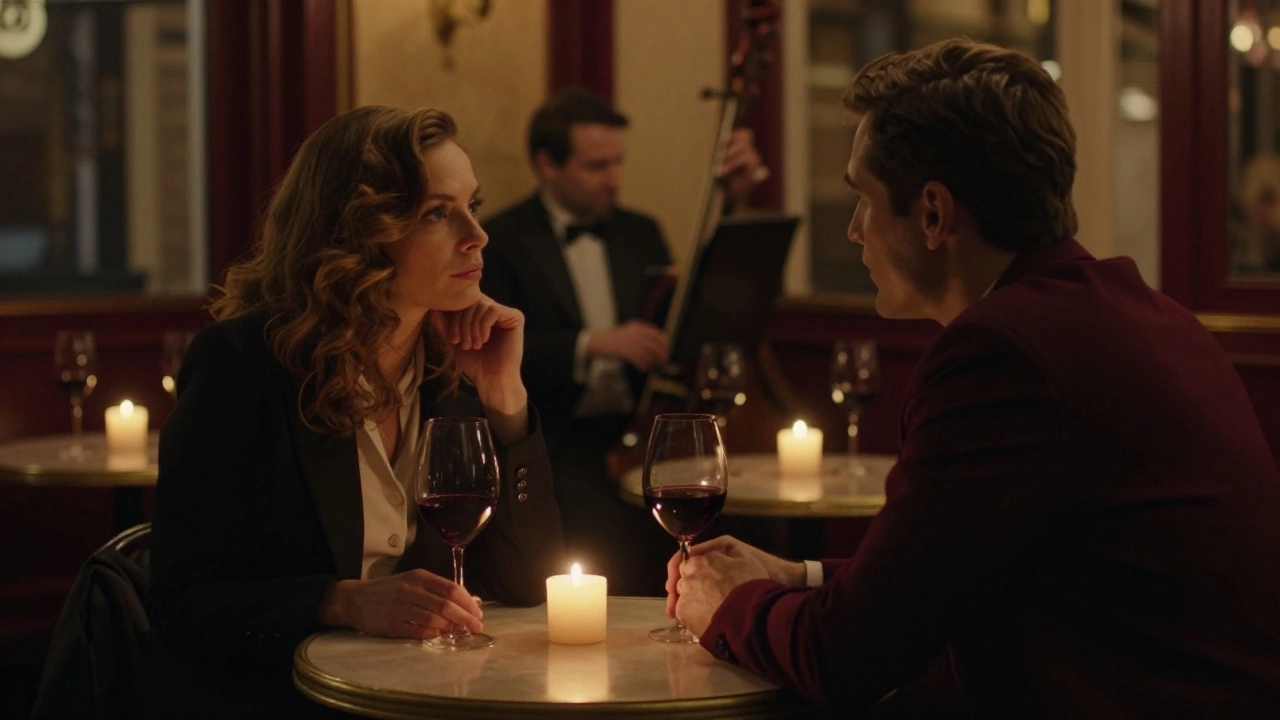
Paris isn’t just about the Eiffel Tower and croissants. The city buzzes after dark with a rhythm all its own - candlelit bistros, jazz clubs tucked into alleyways, and a kind of energy that draws people from all over the world. Some come for the art, others for the food, but a surprising number are looking for something more personal: companionship. That’s where the term escort parisienne comes up. It’s not a headline you’ll see on tourist brochures, but it’s a quiet part of the city’s nightlife economy, one that exists in the spaces between romance, service, and discretion.
If you’re curious about what that actually means, you might stumble across a site d'escort fiable. These platforms aren’t ads for parties or shows - they’re directories for people seeking professional companionship. They vary wildly in quality. Some are clean, transparent, and respectful. Others feel like digital sleaze. The key isn’t just finding one - it’s knowing what to look for.
Let’s be clear: being an escort parisienne isn’t the same as street-level sex work. Most women who work this way are educated, independent, and choose their own hours. They often speak multiple languages, have backgrounds in hospitality, modeling, or even academia. Their clients aren’t always men - women and couples book companionship too. The service usually includes dinner, conversation, museum visits, or simply being present at an event. Physical intimacy, when it happens, is always consensual and negotiated in advance.
There’s a myth that these women are trapped or desperate. That’s not the full story. Many treat this as a flexible career. One woman I spoke with - let’s call her Claire - used to work in a Parisian law firm. She left after two years, citing burnout. Now she books clients through a vetted agency, works three days a week, and spends the rest of her time traveling. "I’m not selling sex," she told me. "I’m selling presence. And presence costs more than a bottle of wine.""
That’s why the best escort parisienne services focus on personality, not just appearance. Clients aren’t looking for a photo model - they’re looking for someone who can hold a conversation about Camus, know which jazz bar has the best piano player, or quietly listen while they unpack a difficult week. The most successful professionals build long-term relationships with repeat clients. Trust matters more than looks.
That’s also why the term esorte paris pops up in search results. It’s a misspelling, sure - but it’s a common one. People typing fast, or not fluent in French, end up searching for "esorte" instead of "escort." And that’s exactly why some shady websites show up at the top of results. They don’t care about accuracy. They care about clicks. The real sites? They don’t use flashy banners or stock photos. They use testimonials, verified profiles, and clear boundaries. If a site promises "24/7 availability" or "instant booking," walk away.
What does a reliable experience look like? Start with the basics: the person has a real name, not just a nickname. They have photos that look like they were taken in natural light, not a studio with filters. They list interests - books, travel, cooking - not just body measurements. The booking process asks questions: "What kind of evening are you looking for?" Not "How much can you pay?"
And then there’s safety. Reputable services require clients to verify their identity. They don’t let meetings happen in hotel rooms without prior approval. They give clients clear rules: no drugs, no aggression, no last-minute changes. The escort has the right to cancel at any time - and usually does, if something feels off. That’s not paranoia. That’s professionalism.
Paris has rules, too. Prostitution itself isn’t illegal here - but soliciting in public, operating brothels, or pimping are. That’s why most services operate through private appointments, not street corners. The city turns a blind eye to private, consensual arrangements - as long as they stay out of the public eye. That’s why you won’t find ads on billboards or in metro stations. It’s all online, quiet, and carefully managed.
Some people think this is immoral. Others think it’s empowering. The truth? It’s complicated. For some women, it’s a way to fund grad school or support aging parents. For others, it’s a lifestyle choice - like being a freelance photographer or a yoga instructor. The stigma still exists, but it’s fading. Younger generations in France are more open to talking about sex work as labor, not shame.
And if you’re thinking about trying it? Start slow. Don’t rush into a booking. Read reviews. Ask questions. Be honest about what you want - and what you won’t accept. A good companion will appreciate that. They’ve met people who just want to touch them. They’ve met people who want to control them. They know the difference.
Paris is a city of contrasts. It’s where ancient stone meets modern glass, where silence fills the Louvre and noise explodes in Montmartre. The same goes for its underground scenes. The escort industry here isn’t loud. It doesn’t need to be. It thrives because it’s built on mutual respect - between client and companion, between desire and boundaries. If you approach it that way, you’ll find something rare: connection without pressure, company without obligation.
It’s not about finding a girl. It’s about finding the right moment - and the right person to share it with.